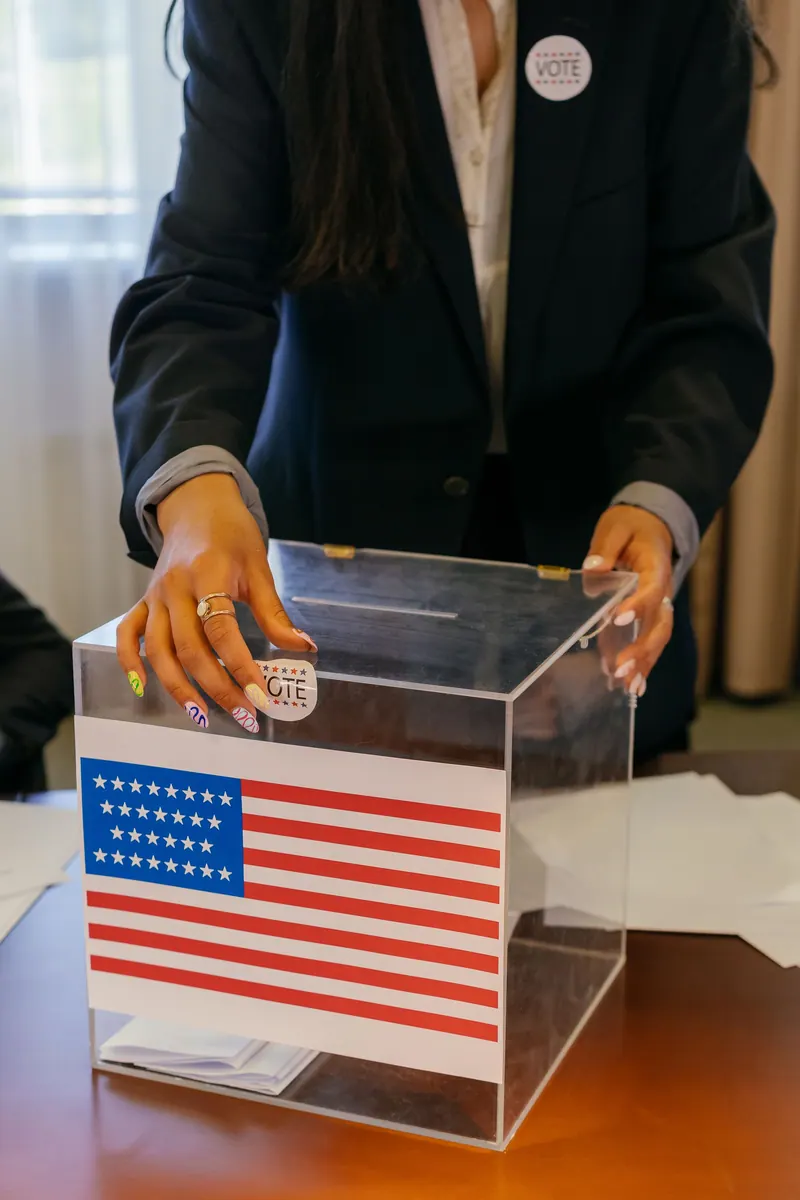
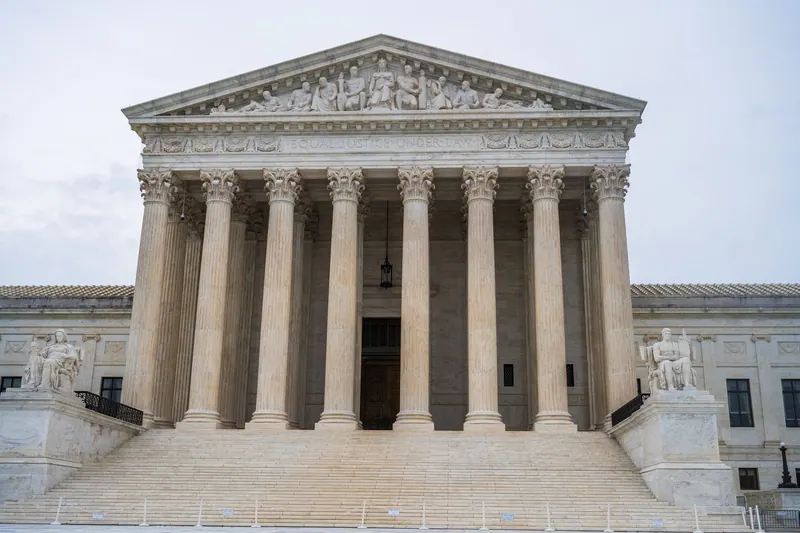
A binary option that might be a bet, depending which judge you ask.
Event Contracts Explained: The Legal Instrument Behind Prediction Markets

The short answer
Event contracts are binary options traded on CFTC-regulated exchanges — 'will X happen?' priced 1¢-99¢ settling at $1 or $0. Federally they're derivatives like corn futures; states say sports event contracts are just bets wearing a suit. The legal fight over that distinction is headed to the Supreme Court.
In this article
The event contract is the legal instrument underneath the prediction-market boom — and the reason Kalshi can offer 'bets' on the election and the Super Bowl without a gaming license. Mechanically it's simple: a binary contract on whether an event happens. Legally it's a war zone: the CFTC says it's a derivative, states say it's gambling, and the Supreme Court is being asked to pick.
The mechanics, plainly
- The contract asks a yes/no question — 'Will the Fed cut rates in November?' 'Will the Chiefs win the Super Bowl?' — tradeable in cents.
- Price = implied probability. A contract trading at 35Вў implies a ~35% market-assessed probability. Prices move as information arrives.
- Settlement is binary: $1 if the event happens, $0 if it doesn't. Your profit is (settlement в€’ price paid) per contract.
- It's an exchange, not a book. You buy from and sell to other participants through a regulated clearinghouse — no house edge in the gambling sense; the venue takes trading fees.
- It's federally regulated. A designated contract market (DCM) is a CFTC license — the same category covering commodity futures exchanges. That charter is what operators claim shields them from state gambling law.
The legal war over what it 'really' is
The industry's position: an event contract is a CFTC-regulated derivative, full stop — federal law preempts state gambling law, and a sports event contract is no more 'betting' than a corn future is 'corn.' States' position: when the underlying event is a football game, the contract is a sports bet no matter what the exchange's charter says — and offering it without a gaming license is illegal. The Sixth Circuit agreed with Kalshi (it's a derivative); the Third and other courts have gone the other way; circuit split means the Supreme Court will likely decide by 2027.
Illustrative example
| Factor | Event contract | Sports bet | Stock |
|---|---|---|---|
| What you own | Binary claim on an outcome | A wager | Ownership share |
| Counterparty | Exchange clearinghouse | The bookmaker | Market participants |
| Regulator | CFTC | State gaming commission | SEC |
| Pricing | Market-determined | House-set odds | Market-determined |
| Legal theory | Federal derivative | State-licensed wager | Federal security |
Context: prediction markets vs sportsbooks, New Jersey's SCOTUS petition, and Kalshi's Sixth Circuit ruling.