The ID check that stands between you and your money — and why it's legally required.
KYC at US Online Casinos: What Documents You Need and Why They Ask
The short answer
Licensed US online casinos must verify your identity (KYC) under federal AML rules — typically a photo ID, SSN last four, and proof of address. They ask at signup, before first withdrawal, or when activity triggers review. Getting verified fast means: match your ID exactly, use recent documents, and complete it before you need to withdraw.
In this article
Every licensed US online casino is a regulated financial institution for AML purposes — which means the same Know-Your-Customer rules that govern banks apply to your casino account. The ID upload that annoys you at withdrawal isn't bureaucracy for its own sake; it's federal law with teeth. Understanding what's required, when, and why makes the process a two-minute chore instead of a support-ticket saga.
The standard document set
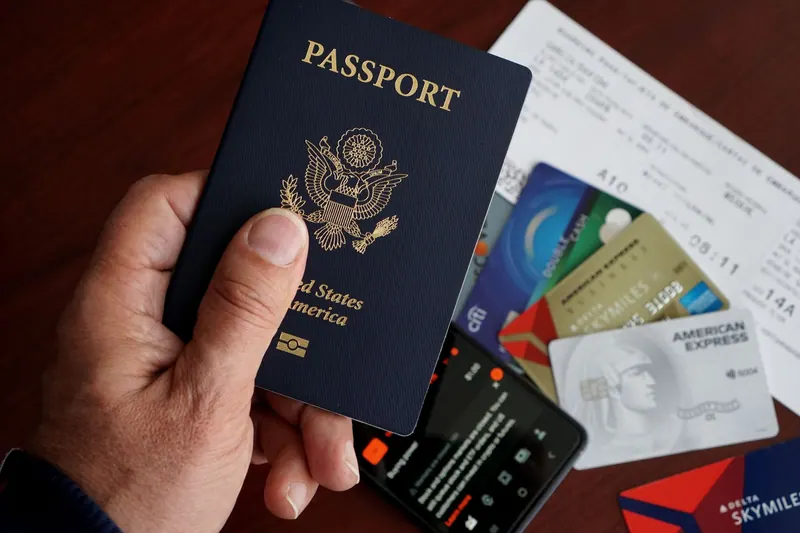
- Government photo ID — driver's license, passport, or state ID. Must be valid (not expired), all four corners visible, text legible. This is the non-negotiable item.
- Social Security Number — last four digits at signup at most operators; full SSN for larger withdrawals or specific checks. Used for identity verification and tax reporting (W-2G on qualifying wins).
- Proof of address — utility bill, bank statement, or government letter dated within 60-90 days showing your name and address. The most commonly rejected document (expired or mismatched).
- Payment method verification — sometimes required: photo of the card (middle digits covered), bank statement showing the account, or a screenshot of the e-wallet proving ownership.
When they ask — and why withdrawals get held
The standard triggers: initial signup verification (soft KYC — name, DOB, SSN4 checked against databases), first withdrawal (documentary KYC — the ID upload), and risk triggers (large deposits, unusual patterns, account changes, chargebacks). Withdrawal holds are almost always a KYC backlog, not a scam — the operator literally cannot pay you until federal verification completes. The fix is always the same: complete verification proactively, before you need the money, with documents that exactly match your signup info.
- Fast-track tip #1: verify at signup, not at cashout. Upload ID and proof of address immediately — don't wait until you're trying to withdraw and a 48-hour review becomes a week.
- Fast-track tip #2: details must match exactly. 'Bob' on the account vs 'Robert' on the ID fails. The address on the bill must match the account's address. Consistency beats speed.
- Why offshore sites don't ask: no KYC is a feature of unlicensed operators, not a benefit — it means no regulator is watching them and nobody will make them pay you.
- The privacy concern is real but bounded: licensed operators are bound by state data-protection rules; the documents go to a regulated entity, not a Curaçao mailbox.
Related: geolocation compliance, the offshore alternative and its risks, and how labs certify casino software.