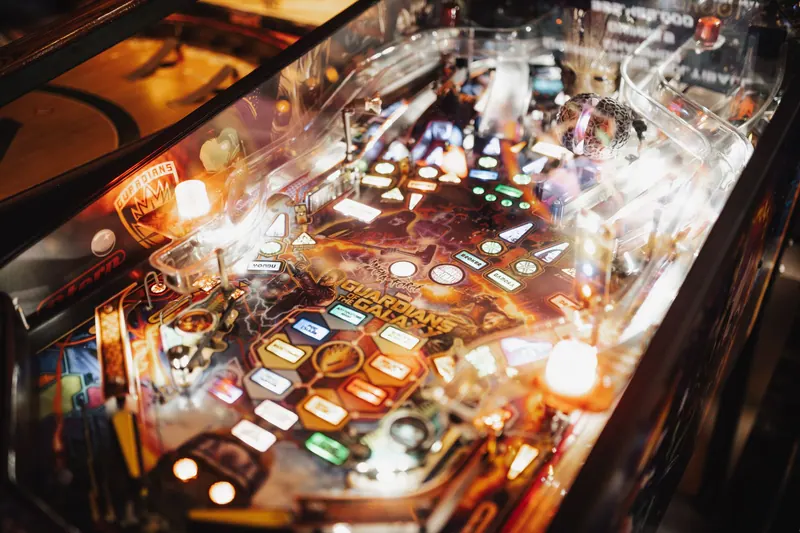
Seventy thousand machines, six session days, and a deadline nobody expects to meet.
Pennsylvania's skill-games deadline lands October 13 — six sessions left, no deal in sight
The short answer
Pennsylvania has six session days left before its Supreme Court deadline: skill-game machines become subject to police seizure on October 13 unless lawmakers pass a regulatory framework. HB 2801 would do it — while also banning sweepstakes casinos — but its own co-sponsor says the clock has already run out.
In this article
Pennsylvania is eleven days from a gambling enforcement cliff. The state Supreme Court ruled in June that skill-game machines — the video terminals sitting in bars, restaurants and social clubs statewide — are legally slot machines, subject to gaming law. The court stayed its order for 120 days to let the legislature build a framework. That runway expires October 13, after which the State Police can begin enforcement including machine seizures and criminal charges.
The bill meant to solve it — HB 2801, introduced September 24 — is the broadest gaming overhaul Pennsylvania has proposed in a generation. It would create a regulated skill-games framework under the Gaming Control Board, tax the machines, and — in a provision buried in the title — ban sweepstakes casinos across the commonwealth. Co-sponsors gave it a bipartisan start in the House Gaming Oversight Committee; the problem is that the committee hasn't moved it, and the session calendar has six working days left.
What's actually inside HB 2801
- Skill-game regulation: legalizes the machines under PGCB oversight with eligible venues (bars, restaurants, clubs, truck stops) operating limited units.
- Skill-game taxation: introduces a tax on machine revenue — the fiscal argument lawmakers have been waiting for.
- Sweepstakes prohibition: a title provision would make it illegal to operate, conduct, promote or assist online sweepstakes games — with fines of $50,000 to $500,000 per violation.
- Affected platforms: Chumba Casino, LuckyLand Slots and Global Poker would lose access to one of the largest regulated-gaming markets in the country.
The fallback plans are also running out
Rep. Brad Roae has introduced two backup measures — one extending the deadline to April 13, 2027, another creating a transition period for existing machines. Both were referred to the same Gaming Oversight Committee on September 24 and neither has moved. The math is brutal: if nothing passes by October 13, an estimated 70,000 machines become subject to seizure — the largest single enforcement action against legal-adjacent gaming hardware in any state's recent history.
The bill's details were covered when it dropped in the HB 2801 analysis — the stakes sit inside the sweepstakes map tracked in which states ban them and the political friction documented in the iGaming backlash.