A real dealer, a real camera, and five states of licenses.
Live Dealer Casino Games: How They're Regulated in the US
The short answer
Live dealer games are regulated like other iGaming — the studio needs licensing in each state where players can access it, dealers are licensed employees, streams are monitored, and geolocation confines play to that state. Evolution operates licensed studios in NJ, PA, MI, CT, WV — which is why live dealer availability maps exactly to legal iGaming states.
In this article
Live dealer is the fastest-growing vertical in US iGaming — real dealers, real cards, real roulette wheels, streamed from studios to your phone. It feels less regulated than a slot RNG and is actually more regulated: every person on camera is a licensed gaming employee, every studio is a licensed facility, every shuffle is auditable. The reason live dealer isn't everywhere is the same reason nothing in iGaming is everywhere: state-by-state licensing.
The regulation stack
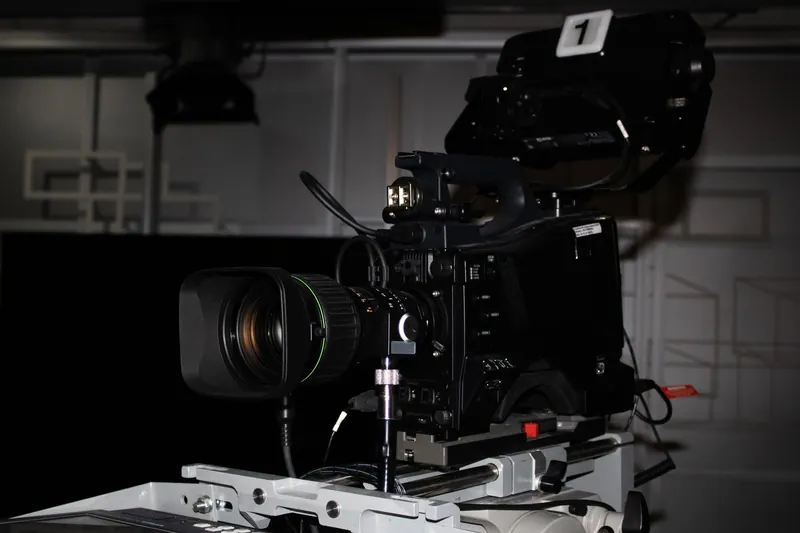
- Studio licensing — the physical studio is a licensed gaming facility in the state where it operates. Evolution's US studios (Atlantic City, Pennsylvania, Michigan, Connecticut, West Virginia) are licensed premises, not 'offices with cameras.'
- Employee licensing — dealers and floor staff hold state gaming-employee licenses: background checks, fingerprinting, the same vetting as casino floor staff.
- Game integrity — equipment is inspected, cards are tracked and audited, roulette wheels are certified, and the stream itself is monitored and recorded for regulatory review.
- Geolocation gating — players must be physically inside the licensing state. The same geolocation rules as all iGaming apply; a NJ-licensed live dealer game isn't playable from Texas.
- Supplier licensing — the studio operator (Evolution, Playtech, Light & Wonder's Authentic) holds a supplier license separately from the casino-facing operator's license.
Why live dealer is only in five states
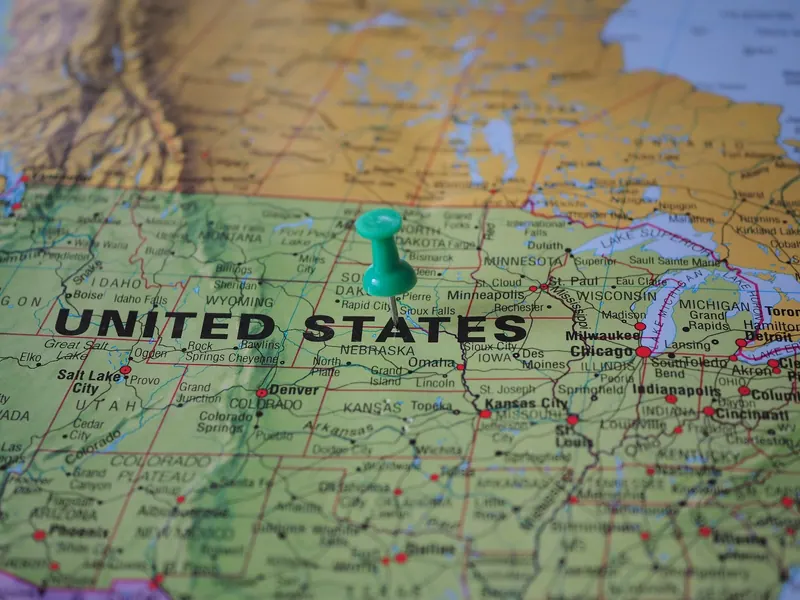
Live dealer exists only where iGaming is legal — Connecticut, Michigan, New Jersey, Pennsylvania, West Virginia, plus Rhode Island and Delaware through their frameworks. Building a licensed studio is a multi-million-dollar commitment per state, so suppliers build where the market justifies it: Evolution's studios are in the biggest iGaming states, and smaller states either share access or go without. The regulatory answer to 'why can't I play live blackjack in New York' is simply 'there's no licensed studio for you to stream from.'
- Is it 'fairer' than RNG? The math is the same — live dealer games follow the same rules and paytables as RNG versions. What changes is trust texture: you watch the physical card instead of trusting the certified RNG.
- The speed trade: live dealer is slower — real dealers deal real hands at real pace, ~30-60 hands/hour vs RNG's hundreds. You lose less per hour for the same edge, which is its own kind of feature.
- Studio locations matter: playing NJ's live dealer from NJ is streaming Atlantic City — the dealer, cards and wheel are physically in your state's licensed facility.
Related: how casino software is certified, geolocation rules, and where iGaming is legal.