Legal map
Where is online casino legal in the US? The seven-state market, mapped
The short answer
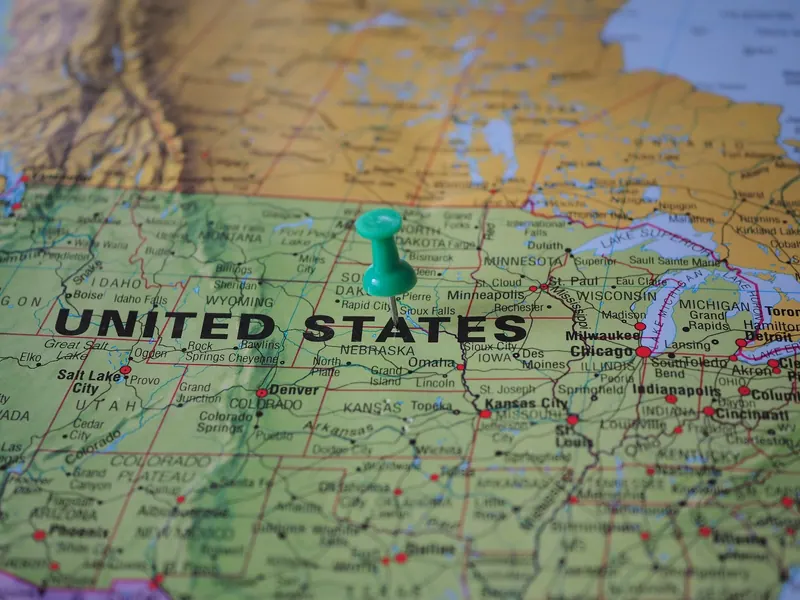
As of October 2026, real-money online casino is live in seven US states: Connecticut, Delaware, Michigan, New Jersey, Pennsylvania, Rhode Island and West Virginia. Maine enacted a law authorizing tribal internet gaming in January 2026 but has not launched. Everything beyond that map — sweepstakes models, offshore sites — operates outside the licensed regime.
In this article
For all the talk of an iGaming boom, licensed real-money online casino exists in only seven US states — a map that has barely grown since 2021 even as revenue inside it set records. Maine added an eighth name to the legal column in January 2026, but its market is authorized, not operating.
Illustrative example
| State | Status | Framework notes |
|---|---|---|
| Connecticut | Live | Two tribal operators under compacts with the state |
| Delaware | Live | State lottery-administered; single-operator model |
| Michigan | Live | Commercial + tribal licensees under the MGCB |
| New Jersey | Live | Casino-licensee 'skin' model anchored to Atlantic City |
| Pennsylvania | Live | High-tax market; both slots and table games online |
| Rhode Island | Live | Single-operator model tied to the state's casino licensee |
| West Virginia | Live | Licenses tethered to the state's five casinos |
| Maine | Legal, pre-launch | LD 1164 enacted January 11, 2026 without the governor's signature; authorizes the Wabanaki Nations to offer internet gaming — rules and launch pending |
Why the map is so small
Sports betting spread to nearly 40 jurisdictions because it could be layered onto existing casino frameworks; online casino cannibalization fears — from brick-and-mortar operators, labor unions and some tribal governments — have kept bills stalling in most statehouses. The result is a market where seven states generate $10.7 billion in annual iGaming revenue (AGA's CY2025 figure) while legislatures elsewhere debate rather than launch.
What sits outside the licensed map
- Dual-currency 'sweepstakes casinos' operated nationwide on a promotional-law theory until a wave of statutory bans — covered separately in our sweepstakes report.
- Offshore sites accept US players but hold no US license; they are outside state consumer-protection and game-integrity regimes entirely.
- Tribal internet gaming authorized under compacts (as in Maine's new law) is a distinct legal channel from state-licensed commercial iGaming — same player experience, different legal basis.
For the market these seven states produce, see US commercial gaming revenue in 2025 and the separate tribal reporting stream.