Three bills, three visions, one shrinking calendar.
Massachusetts has three iGaming bills on the table — and a clock problem
The short answer
Massachusetts lawmakers face three competing iGaming bills: the Feeney/Cahill framework allowing up to eight licenses at a 20% tax, and Muradian's H4431 at 15% that would simultaneously ban sweepstakes casinos — with committee deadlines compressing the timeline.
In this article
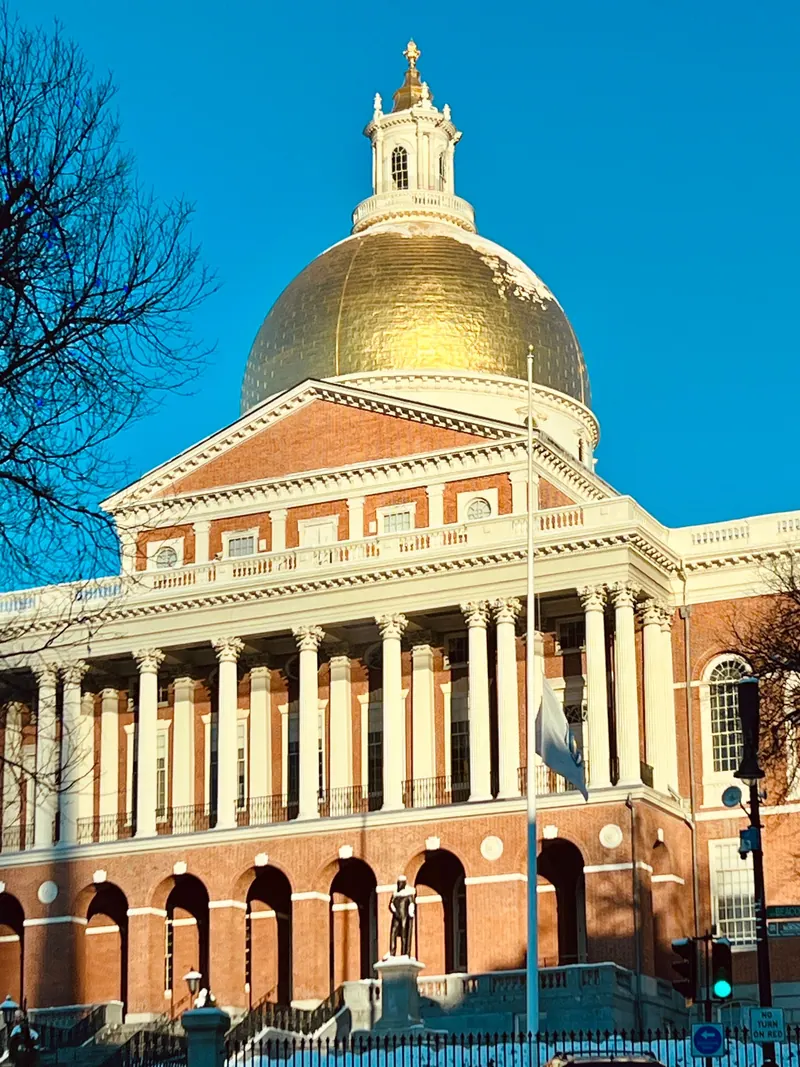
Massachusetts is having the iGaming debate in triplicate. Three separate bills — H332 from Rep. Daniel Cahill, S235 from Sen. Paul Feeney, and H4431 from Rep. David Muradian — would each legalize online casino games in the Bay State, but they disagree on almost everything else: tax rate, license structure, and whether legalizing iGaming should come bundled with a sweepstakes ban.
The Feeney-Cahill companion bills are the conventional framework: each of the state's three casinos — Encore Boston Harbor, MGM Springfield and Plainridge Park — could partner with up to two online operators, plus the Massachusetts Gaming Commission could issue additional untethered licenses, for a maximum of eight. The tax rate sits at 20% on gross gaming revenue, with five-year licenses. Muradian's H4431, filed in January, cuts the rate to 15%, restricts licenses to existing casino operators — and adds a sweepstakes-casino ban on top.
Three bills, three models
Illustrative example
| Bill | Tax rate | Licenses | Sweepstakes clause |
|---|---|---|---|
| H332 (Cahill) | 20% GGR | 3 casinos × 2 skins + MGC-issued | No |
| S235 (Feeney) | 20% GGR | Same framework as H332 | No |
| H4431 (Muradian) | 15% on adjusted revenue | Existing casino operators only | Yes — dual-currency ban |
The competitive dynamic is unusual: usually states debate whether to legalize iGaming; Massachusetts is debating which version. The sweepstakes-ban inclusion in H4431 is the sharpest difference — it would pair the country's next legal iGaming market with an explicit prohibition on the gray-market alternative, a two-sided approach no other state has yet enacted together.
The opposition has a voice
The pushback is real. Former Rep. David Nangle — whose own gambling addiction cost him his career — has testified against iGaming expansion at the State House, and public-health opposition to online casino is louder in Massachusetts than in most states that have legalized it. The MGC, meanwhile, has already reopened sports-betting licensing as of April — suggesting the regulatory infrastructure exists even if the political will for casino is still being assembled.
Massachusetts joins the states debating where iGaming fits — see the current legal map, Virginia's restart effort, and Maine's tribal-led launch.